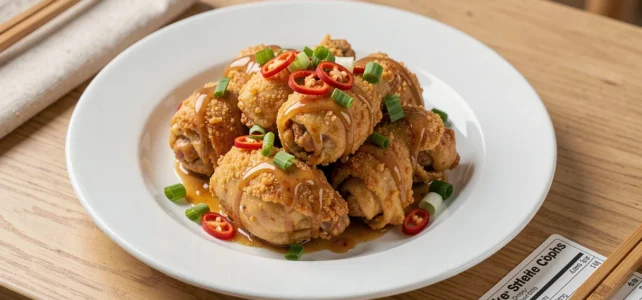
Pepe Chicken is a fried chicken brand created by the videographer FastGoodCuisine, primarily available for delivery through platforms like Uber Eats or Deliveroo. Understanding the calories and macronutrients of each product on the menu allows for choices that align with nutritional goals, whether monitoring caloric intake or simply seeking a protein-rich meal.
Proteins, fats, carbohydrates: reading the macros of Pepe Chicken fried chicken
Before comparing the different menu options, it’s essential to understand what each macronutrient provides. Proteins contribute to muscle building and satiety. Carbohydrates provide quick energy, while fats contain the most calories per gram.
At Pepe Chicken, frying significantly increases the fat content compared to grilled or roasted chicken. A product with a modest weight can thus reach a high caloric total if the breading absorbs a lot of oil.
For those seeking comprehensive details on the calories and nutritional value of Pepe Chicken, each menu item is distinguished by a protein/fat ratio that varies significantly depending on the chosen format.
Tenders and wings: two distinct nutritional profiles
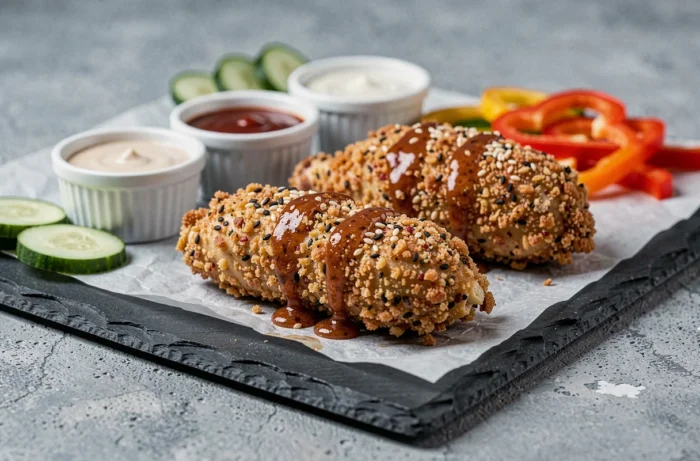
The Pepe Tenders (3-piece format, approximately 160 g) contain around 360 kcal, with a high protein proportion (about 30 g) and lower fat content (around 18 g). The tenders offer the best protein/calorie ratio on the menu.
The Pepe Wings (6-piece format, approximately 190 g) reach around 480 kcal. The skin of the wing, which is fattier than the tender fillet, explains a significantly higher fat intake (about 34 g) for a comparable protein volume.

Calories of Pepe Chicken burgers and boxes: the gaps to know
The Pepe Classic Burger is around 540 kcal for a burger weighing about 230 g. Carbohydrates are more present (about 44 g) due to the bread, placing it in a different nutritional category than the chicken pieces alone.
Signature burgers like the Smocky One or the Hot One reach higher levels, with a fat content that significantly increases compared to the Classic. The bread, sauce, and toppings add less visible calories.
The boxes: the trap of generous formats
The Big Box Pepe exceeds 1,000 kcal, which represents about half of the daily recommended intake for an average adult. This format combines wings and tenders, with a fat volume exceeding 60 g.
The boxes of tenders alone fall within a similar range. The box format generally includes sides (fries, drinks) that increase the total. Removing the fries or opting for a less caloric side, when offered by the brand, can significantly reduce the total.
- Pepe Tenders 3 pieces: about 360 kcal, the lightest format on the menu, suitable for a moderate meal
- Pepe Wings 6 pieces: about 480 kcal, a marked fat intake due to the wing skin
- Pepe Classic Burger: about 540 kcal, with a higher carbohydrate share linked to the bread
- Big Box Pepe (wings + tenders): over 1,000 kcal, a complete meal in a single format
- Chicken thigh: about 290 kcal for one piece, the least caloric option on the menu
Traceability and origin of the chicken: what changes for nutritional quality
Calorie tables say nothing about the origin of the meat or the farming conditions. The decree n° 2025-141 of February 13, 2025 has established in France the obligation to indicate the origin of poultry meat served in restaurants, including for takeout and delivery formats.
This obligation covers dark kitchens and brands operating exclusively through delivery platforms, which directly concerns the Pepe Chicken concept. In practice, the brand must make this information accessible before purchase.
The origin of the chicken can influence the actual nutritional composition. Intensively raised chicken, with rapid growth, tends to have a different intramuscular fat content than slow-growing chicken. The calorie table remains an average that does not reflect these variations.
Allergens: information often missing from platforms
The European regulation INCO (n° 1169/2011), supplemented in France by decree n° 2015-447, requires written and legible information on the 14 major allergens for any food served without packaging. Fast food brands must provide a table or a sheet that can be consulted without prior request.
On Uber Eats or Deliveroo pages, this information is rarely as detailed as the regulations require. For someone allergic to gluten (present in the breading) or eggs, checking directly with the brand remains the most reliable approach.
Creating a Pepe Chicken meal under a reasonable caloric threshold
Setting a goal around 600 kcal for a meal allows enjoying the menu without exceeding daily caloric limits. Three tenders with a light side remain below this threshold.
- Prefer tenders over wings: with comparable satiety, the fat intake is significantly lower
- Avoid large format boxes: moving from 3 tenders to a Big Box triples the calories
- Limit added sauces: each portion of sauce represents a significant additional caloric intake
The chicken thigh, at about 290 kcal, represents the most modest choice on the menu. Paired with a salad or a non-fried side, it allows for a complete meal around 400 to 500 kcal.
Fried chicken remains an occasional treat rather than a staple of daily nutrition. Knowing the nutritional profile of each format helps integrate a Pepe Chicken meal into a balanced weekly diet, without guilt but without blind spots regarding the fats and calories actually consumed.